Core ideaThe Christian hope after death is not based on speculation or merely on the survival of the soul. Death entered the human story through sin, but Jesus Christ entered death and rose victorious over it. Those who belong to Christ are not abandoned to the grave: they await bodily resurrection and eternal life in the presence of God. Death is real, judgment is serious, but for those in Christ the final word is resurrection.
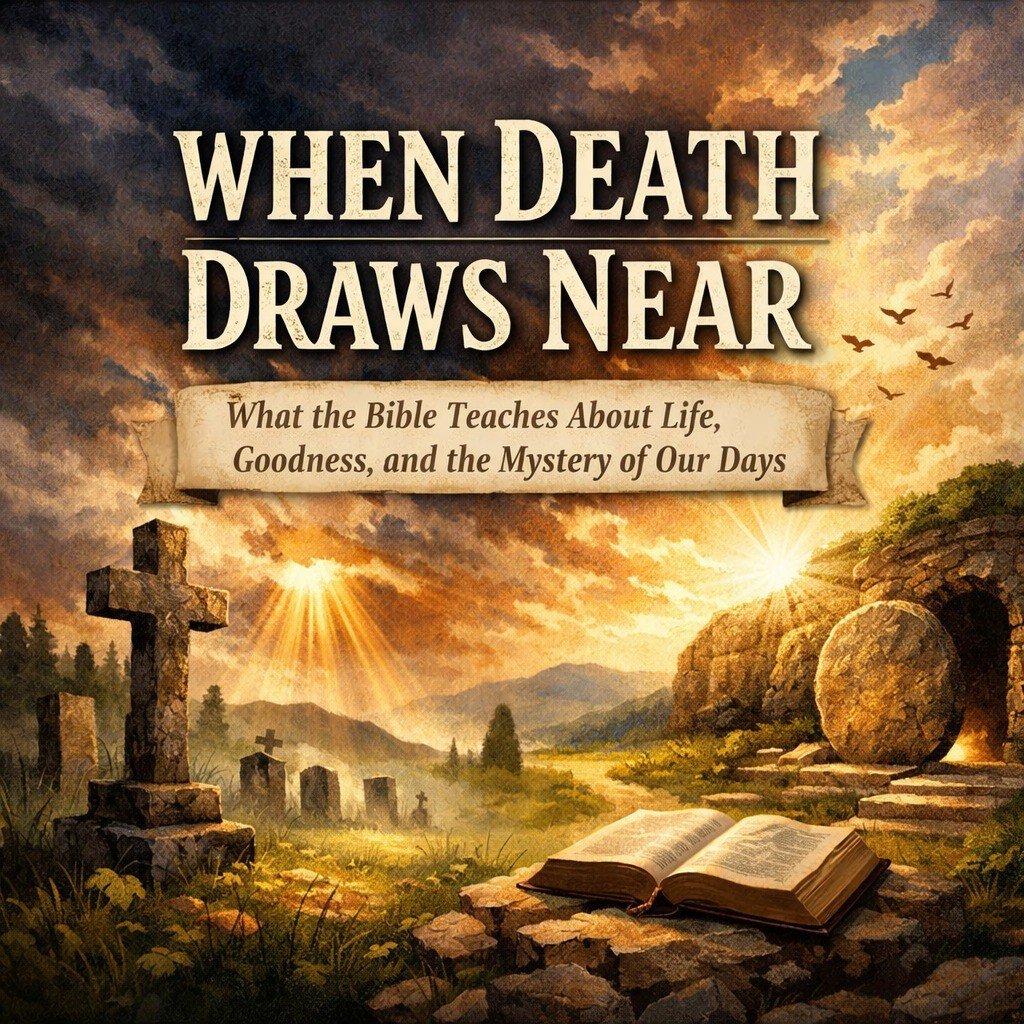
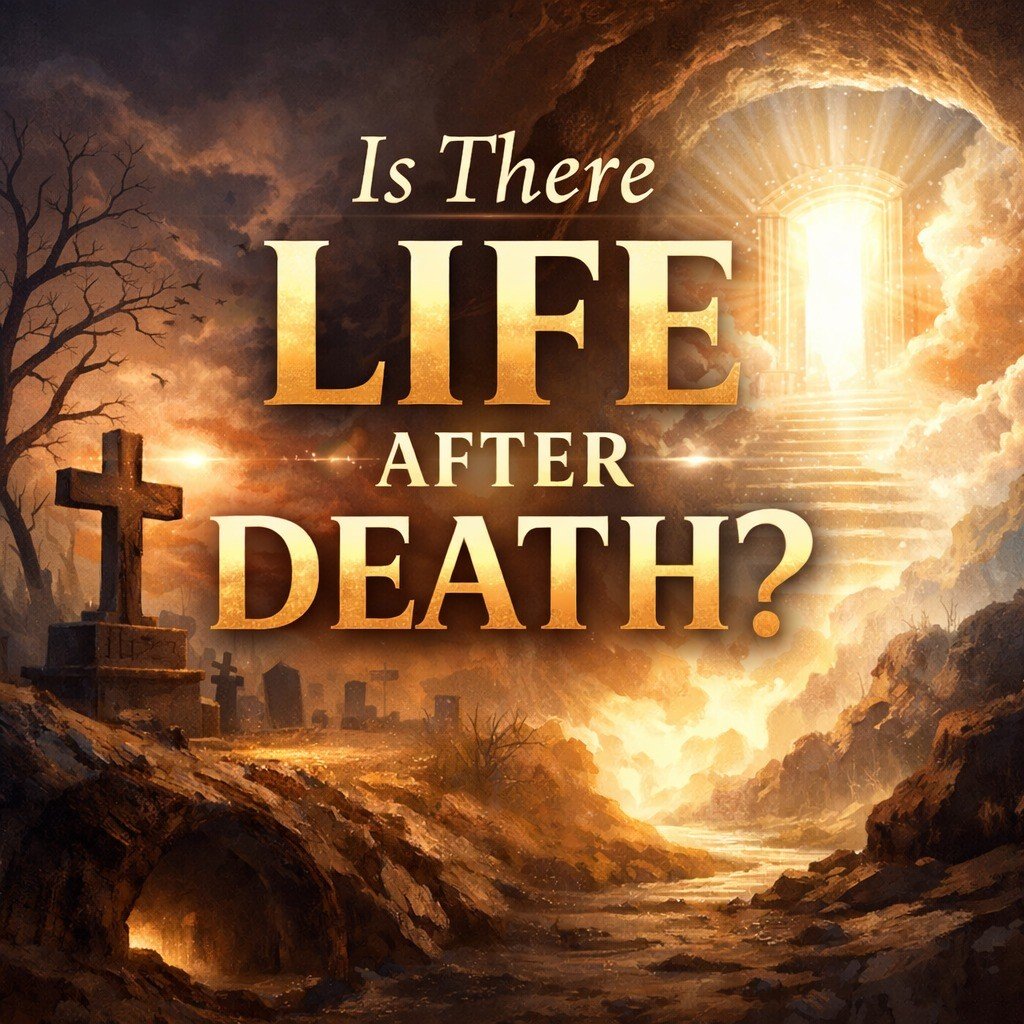
Few questions weigh more heavily on the human heart than this one: Is there life after death? It is a question that rises in moments of grief, in times of sickness, at funerals, in seasons of fear, and in quiet nights when a person begins to wonder what lies beyond the grave. The Bible does not treat this question lightly. It does not answer it with cold philosophy or vague comfort. Instead, it speaks with seriousness, hope, warning, and truth.
To approach this question in a biblical context, we must begin in the right place. We should not start with human imagination, near-death stories, or emotional guesses. We should begin with God Himself, because only the One who gave life has the authority to speak about what comes after death. The Bible’s answer to life after death is rooted not in human speculation, but in the character of God, the entrance of sin, the promise of resurrection, and the victory of Jesus Christ over the grave.
God Is the Source of Life
The first truth the Bible presents is that God is the source of life. In Genesis, man is not described as a self-existing being. God formed man from the dust of the ground and breathed into him the breath of life. Human life is therefore not independent. It comes from God, depends on God, and belongs to God. This matters because death is not simply a biological event in Scripture. It is a spiritual matter tied to man’s relationship with his Creator. If God is the giver of life, then death cannot be understood correctly apart from Him.
Death Entered Through Sin
The Bible also shows that death was not the original design for humanity. In the garden, man was created for fellowship with God, not for separation from Him. Death entered the world through sin. When Adam and Eve rebelled against God, something terrible entered human history. Sin did not merely bring moral corruption; it brought death. That means death is not just natural in the biblical sense. It is an intruder. It is a consequence. It is a sign that something has gone deeply wrong in creation.
This is important because many people ask about life after death without first asking why death exists at all. The Bible connects the two. Death is not just an ending. It is part of the judgment that followed sin. Yet even here, in the midst of judgment, the Bible begins to whisper hope. If death came through sin, then the deeper question becomes this: Can God overcome what sin has brought? The whole story of Scripture moves toward that answer.
The Old Testament Whispers Hope
In the Old Testament, the picture is not always given in full brightness, but there are many signs that death is not the final word. The language of Sheol often appears, describing the realm of the dead. At times, the Old Testament speaks with mystery and restraint. Yet it also contains strong notes of hope. Job cries out in suffering with the confidence that his Redeemer lives. The Psalms speak of God not abandoning His faithful one. Daniel speaks clearly of a coming resurrection, where many who sleep in the dust shall awake, some to everlasting life and some to shame and everlasting contempt.
This gradual unfolding matters because it shows that the Bible is not silent on the subject. The Old Testament lays the groundwork. It does not always explain everything in detail, but it steadily points forward. The faithful did not live as though God’s covenant love ended at the grave. They hoped in a God whose power reached beyond death, even when they did not yet see the full shape of His plan.
Jesus Christ Is the Clearest Answer
The clearest answer, however, comes in the New Testament, and it comes through Jesus Christ. If we are asking whether there is life after death, then we must look at Jesus more than anywhere else. Christianity does not merely offer an argument about the afterlife. It presents a person who entered death and came out victorious. Jesus spoke often about eternal life, resurrection, judgment, heaven, and hell. But He did more than teach these truths. He embodied them.
When Jesus said, “I am the resurrection and the life,” He moved the discussion from theory to Himself. He did not say merely that resurrection was a future event. He declared that resurrection life was found in Him. This is why the resurrection of Jesus is at the center of the biblical answer. If Christ remained in the grave, then Christian hope would collapse. But if Christ rose from the dead, then death has been pierced. Its power has been broken. Its claim to finality has been shattered.
The Christian Hope Is Resurrection
The resurrection of Jesus tells us something profound: death is real, but it is not ultimate. The grave is not the end for those who belong to Christ. His resurrection is not only a miracle to admire; it is a promise to trust. It is the guarantee that those united to Him will also be raised. This is why the Bible’s focus is not simply on the survival of the soul, but on the resurrection of the whole person.
This is a key area of biblical teaching. Many people speak of life after death as though the Christian hope is merely that the soul floats on somewhere forever. But the Bible gives a fuller, richer, and more concrete hope. It teaches that there is an immediate reality after death, yet it also points toward a future bodily resurrection. Paul writes of being absent from the body and present with the Lord, showing that believers who die are not lost or unconscious in a hopeless void. Yet the Bible does not stop there. It looks ahead to the day when the dead will be raised, when mortality will put on immortality, and when death itself will be swallowed up in victory.
This means the biblical hope is not escape from creation, but redemption of creation. God does not discard the body as though it never mattered. He redeems the whole person. The resurrection declares that God’s saving work is complete and powerful. He does not save only part of us. He restores fully.
Resurrection Also Means Judgment
Still, the Bible’s teaching on life after death is not only comforting; it is also solemn. Scripture teaches not only resurrection, but also judgment. This is where the subject becomes deeply serious. The question is not merely whether life continues after death. The question is also what kind of life, under whose judgment, and in whose presence. The Bible speaks of eternal life, but it also speaks of eternal punishment. It speaks of heaven, but also of hell. It speaks of comfort for the redeemed, but also of accountability for the unrepentant.
This must be said plainly because the Bible never treats the afterlife as a soft and vague continuation of human existence. It presents eternity as morally weighty. A holy God will judge rightly. No sin is forgotten. No injustice is ignored. No heart remains hidden before Him. That is why the gospel is so precious. The Bible does not teach that people drift safely into eternal life simply because they existed on earth. It teaches that eternal life is found in Christ.
Eternal Life Is More Than Endless Existence
And this brings us to another crucial point: eternal life is more than endless existence. In one sense, all people continue beyond death. But the Bible uses the phrase “eternal life” in a deeper way. Eternal life means knowing God, being reconciled to Him, living in His presence, and sharing in the life that is found in His Son. It is not merely life that lasts forever. It is life filled with God, peace, righteousness, joy, and unbroken fellowship.
How Should We Approach Life After Death?
So how should we approach this topic in biblical context? We should approach it with reverence, with honesty, and with Christ at the center. We should begin with God as Creator and giver of life. We should understand death through the lens of sin and the fall. We should listen carefully to the Old Testament’s growing hope. We should fix our eyes on Jesus, who died and rose again. We should study the difference between the state after death and the final resurrection. We should take judgment seriously. And we should understand that eternal life is not just about duration, but about restored relationship with God.
This Hope Changes How We Live Now
This subject is not merely for debate. It is deeply pastoral. It touches the grieving widow, the frightened sinner, the aging parent, the sick child, and the believer standing by a grave. The Bible teaches life after death not to feed curiosity, but to shape how we live now. If there is life after death, then life now matters greatly. Faith matters. Holiness matters. Repentance matters. Hope matters. The cross matters. Christ matters.
The Final Word Is Resurrection
In the end, the Bible’s answer is both sobering and glorious. Yes, there is life after death. But the greater truth is this: there is eternal life in Jesus Christ. Death is not denied, but it is defeated. The grave is not ignored, but it is overcome. Judgment is real, yet mercy is offered. And for those who are in Christ, the final word is not death, but resurrection.
That is the biblical hope. Not wishful thinking. Not religious poetry only. But the promise of the living God, sealed by the risen Christ: that those who trust in Him shall live, even though they die.
#ChristianLiving #EternalLife #JesusChrist
Related Ideas
The Final Word Is Resurrection — Christian hope is not merely that something survives death. Because Christ rose from the grave, those who belong to Him await bodily resurrection, restored life, and the defeat of death itself.
God Can Redeem What He Does Not Prevent — death is an enemy Scripture does not minimize, yet the resurrection shows that even what God permits cannot escape His final redemptive purpose.
The Soul’s Hunger for God — eternal life is not merely endless existence; it is reconciled life in the presence of the One for whom the soul was created.
Connected Ideas
Death · Resurrection · Eternal Life · Judgment · Creation · Sin · Redemption · Hope · Christ · New Creation
Originally published on X on 2026-04-14. This website edition preserves the original essay while adding structural headings and knowledge links.